
Hearing implants: when hearing aids are no longer enough
Cochlear implants and bone-conduction implants, assessed and performed by a surgeon with the University of Southampton Auditory Implant Service — one of the UK’s largest implant programmes.
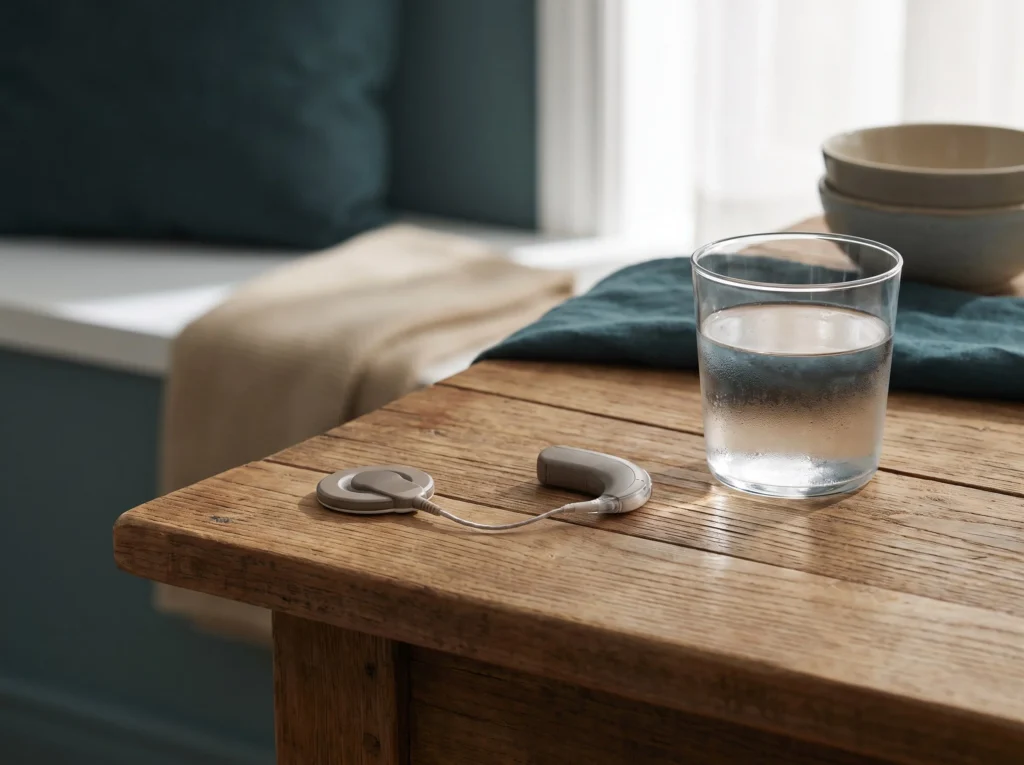
Cochlear implantation
For severe to profound hearing loss, in one ear or both
A cochlear implant bypasses the damaged inner ear and stimulates the hearing nerve directly. It suits adults and children whose hearing aids no longer give useful hearing, after a careful assessment of the hearing tests, imaging and your own goals.
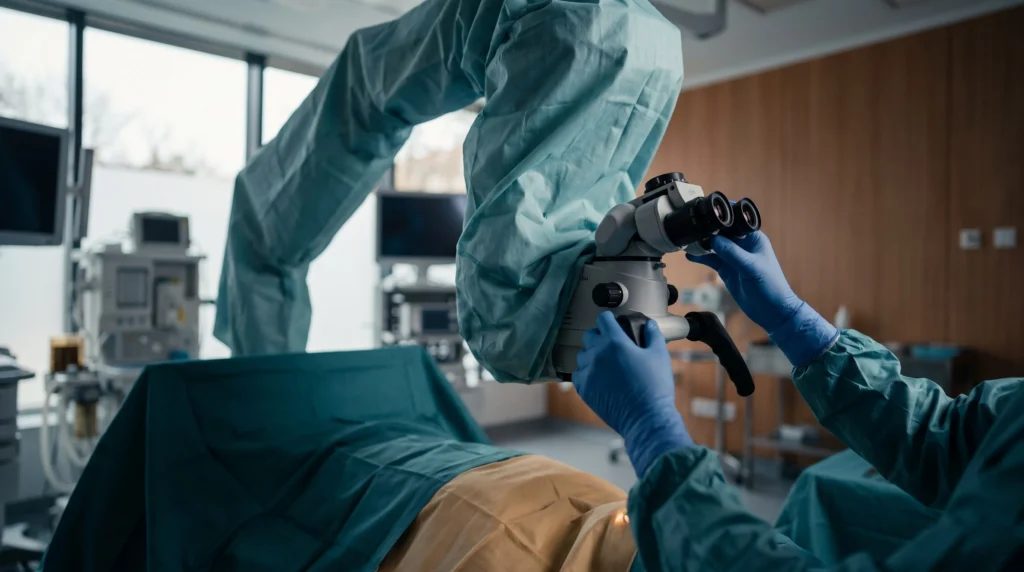
Surgery takes two to three hours under general anaesthetic; most people go home the same or the next day, with switch-on a few weeks later.
- Candidacy assessment with the implant team
- Single-sided deafness and bilateral implantation discussed honestly
- Rehabilitation and tuning with audiologists after switch-on
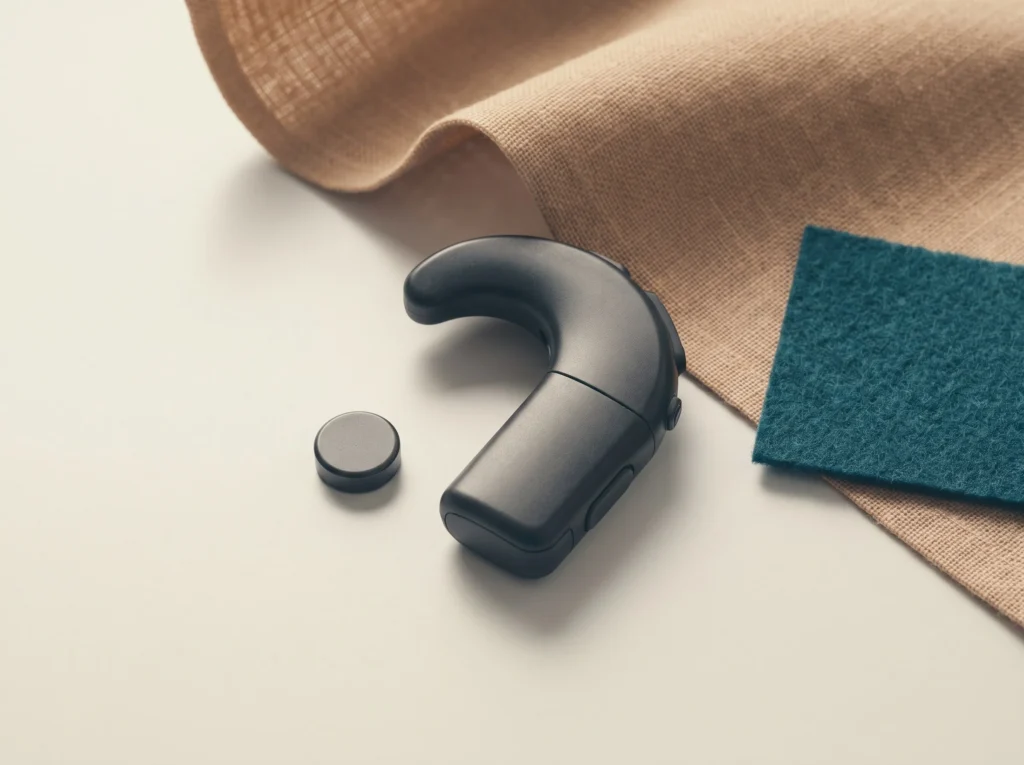
Bone-conduction hearing implants
Hearing through the bone when the ear canal cannot be used
Bone-conduction implants send sound through the skull bone to a working inner ear. They help people with chronic ear infections, ear canals that cannot take a hearing aid, conductive hearing loss or deafness in one ear.
Some are placed under the skin (transcutaneous) and some pass through it (percutaneous); the right choice depends on the ear, the skin and daily life.
- Trial on a soft headband before any surgery
- Short day-case procedure
- Follow-up and processor fitting with audiology
Who is suitable
Could an implant help you?
Candidacy is decided on test results, not age. These are the situations assessed most often.
Hearing aids no longer enough
Severe or profound loss in both ears with poor speech understanding even with well-fitted aids.
Children born with hearing loss
Early implantation gives the best chance of spoken language; assessed with the paediatric implant team.
Single-sided deafness
Hearing in one ear only, with difficulty in noise and locating sound.
Chronic ear disease
Discharging ears or canals that cannot take a conventional aid: bone conduction may be the answer.
Otosclerosis and conductive loss
Where surgery to the hearing bones is not possible or has not worked.
Second opinions
An honest review of an assessment done elsewhere, including whether an implant is likely to help.
Your hearing implant pathway
Four clear steps from assessment to switch-on
01
Assessment
Full hearing and medical assessment, imaging and a discussion of whether an implant is right for you.
02
Decision together
Benefits, limits and alternatives explained honestly. Family welcome; second opinions respected.
03
Surgery
A 2–3 hour procedure under general anaesthetic, usually home the same or next day.
04
Switch-on & rehab
Activation a few weeks later with audiologists, then tuning and rehabilitation support.
Research and the implant service
Surgery informed by the research that shapes implant care
Mr Vithlani is surgical lead for the LUCIA study on bilateral cochlear implantation in adults and principal investigator for the STARFISH trial on sudden hearing loss at University Hospital Southampton.
University of Southampton Auditory Implant Service
One of the largest implant programmes in the UK; Mr Vithlani is a surgeon on its West team.
LUCIA study
Surgical lead for a study of the benefit of a second cochlear implant in adults.
STARFISH trial
Principal investigator, Southampton: the management of sudden sensorineural hearing loss.
Questions
Hearing implant questions
Is a cochlear implant right for me if hearing aids no longer help?
Possibly. Candidacy depends on hearing test results with your aids on, the health of the inner ear on imaging and your own goals. The assessment is explained step by step and the decision is yours.
How long does the surgery take?
Answer to follow: awaiting client copy.
What about bone-conduction implants?
Answer to follow: awaiting client copy.
Do I need a GP referral to see Mr Vithlani privately?
Not for self-paying patients. Most insurers ask for a GP referral before they authorise a consultation, so check your policy first.
Request an appointment with Mr Vithlani
Send your details and the practice team will reply within one working day. Clinics at Nuffield Health Wessex Hospital on Tuesdays · alternate Thursday mornings · alternate Fridays.